
The conversion before the click – find your next apartment
For years, the search for the perfect stay has followed a familiar, if slightly exhausting, path—one driven entirely by digital discovery.
For example, a business traveller relocating to Zurich for a project would open the search engine, type keywords like “hotels in Zurich” or “apartment near Zurich HB,” then browse through 12 tabs, comparing reviews, prices, and facilities across different platforms. Eventually, after enough research and time, they would confirm their booking. This is the most predictable flow: Search → Click → Compare → Book
But now it’s 2026, and this journey has taken an upgrade. Today, many business travellers no longer browse through dozens of websites before making a decision. Instead, they turn to AI assistants like ChatGPT, Google Gemini, Microsoft Copilot, Claude, Perplexity AI, etc, asking a question and receiving an answer instantly.
The goal is simple: spend as little time as possible searching, scrolling, and comparing. Instead, users rely on the AI agent to deliver a clear, precise summary they can trust. The real skill lies in how they ask, formulating the right prompt, prioritising their needs, and clearly stating their must-haves to get a focused, relevant answer in seconds. Now the flow looks like: Ask → AI analyses structured data → Recommendation → Book
This means they get their answers directly on the search page without even clicking a website. Many call it “The Death of the 10 Blue Links”.
Today, the business traveller is already convinced where to book before they even visit the website.
Think why?

The “Zero-Click” reality
The concept is easy: today, business travellers planning a relocation, as well as mobility teams supporting them, aren’t just typing keywords into a search bar. They’re having smart, targeted chats to get straight targeted answers:
- “Find me a furnished apartment in Zurich with high-speed Wi-Fi, a gym, and a Starbucks within a 5-minute walk.”
- “Show me serviced apartments in Zurich near a park where I can run every morning.”
- “List apartments under CHF 4’000 close to the best burger spots in town.”
- “Find me a stylish apartment close to both the city centre and quieter residential areas.”
Instead of returning a long list of links, AI assistants do the heavy lifting, turning precise criteria into clear, curated recommendations in seconds.
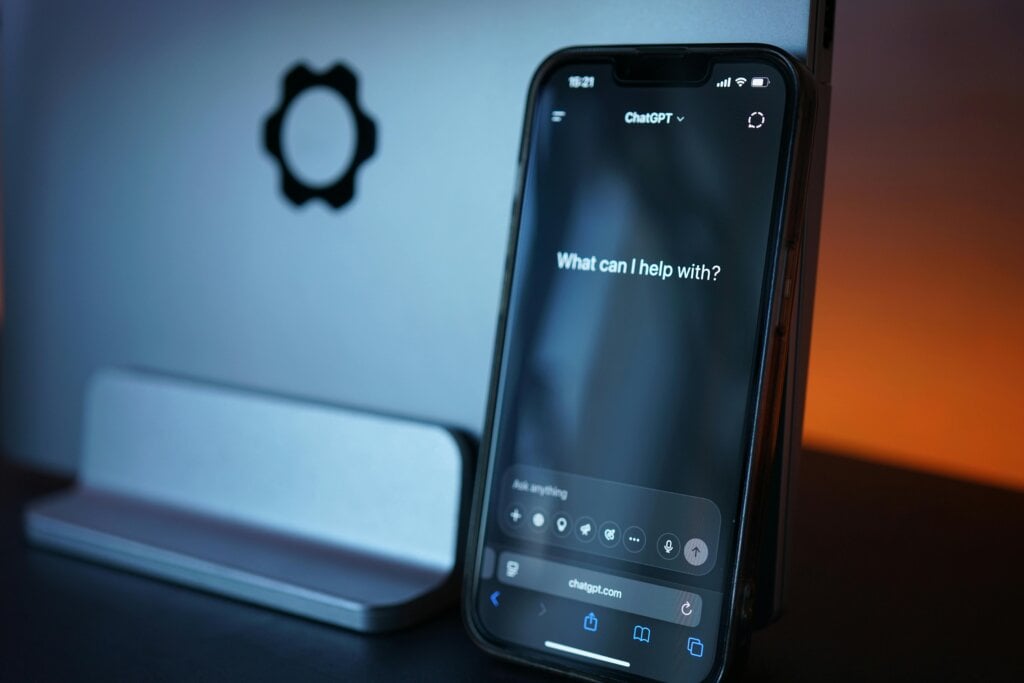
The shift
Artificial intelligence is transforming how travel decisions are made. Google’s AI overviews and assistants like ChatGPT & Gemini synthesise thousands of data points – like listings, reviews, pricing, location, facilities and then provide a single, definite “winner recommendation”.
This massive amount of information is processed in seconds and shared as a “snapshot” on the search page itself. Which means the business traveller gets a clear picture of the property without having to visit a website. This means the search pattern has shifted from “Discovery to Decision”.
At Cityus, we’ve always focused on balancing hospitality with technology. Today, that balance is more visible than ever and truly essential. For property owners and corporate business travellers, the shift goes far beyond SEO. It’s no longer just about being found in a list of links, but about being selected, summarised, and recommended by AI-driven platforms. Let’s break it down.
The new search pattern: from keywords to conversations
Traditional SEO has always been built around keywords. Due to which travel brands would optimise their websites for phrases like:
- Rental apartment in Geneva
- Furnished apartment in Zurich
- Business accommodation in Switzerland
Notice the difference? Less industry jargon, more real-life context, more intent.
These natural, in-depth questions mirror how people communicate in real life. AI tools are designed to understand the context and intent behind each request and tailor their suggestions accordingly—so by the time they arrive at your website, it’s no longer just browsing, but validating a decision the AI has already made for them. Which means your website needs to bring a bit of wow—something engaging, reassuring, and just memorable enough to make them think, “yes, this is exactly it.”
The strategic pivot: from clicks to conversions
In 2026, your marketing strategy needs to revolve around one key idea: conversion before the click.
Traditionally, the goal was simple—get potential clients onto your website. Today, that’s no longer enough. The real objective is to inform, convince, and win them over before they even land on your page. By the time they visit, they’re not exploring—they’re ready to confirm.
Which means if success is still measured purely by rankings or clicks, you’re already a step behind.
So, with AI reshaping how decisions are made, how should travel brands respond? What does this shift mean for travel marketing?
It comes down to rethinking content and digital presence—ensuring your brand shows up not just in search results, but in the answers themselves.

Adapting marketing strategies for the AI era
1. From SEO to AEO
SEO used to be about keywords. Today, it’s about answers. In an AI-driven world, your content needs to be clear, structured, and genuinely useful, something AI tools can easily understand and reference. It’s less about chasing keywords and more about delivering the right information in the right format. The goal has shifted: be the option AI recommends and build trust before the click even happens. Traffic from AI-driven platforms doesn’t just convert better, it arrives already convinced, with users much closer to booking.
2. It’s not about driving traffic anymore
It’s about becoming a trusted source. Search now goes far beyond simple accommodation queries, it includes context, length of stay, lifestyle, and personal preferences. By embracing this shift, you’re not losing traffic, you’re gaining conviction. You’re meeting potential clients exactly where they are: mid-conversation with an AI assistant that already understands their needs. And often, they don’t even know how to phrase what they’re looking for “Hotels for a one-year office stay that feel comfortable but offer services” which, in reality, translates into serviced apartments. This is where travel brands have a real opportunity: to interpret intent and guide the decision.
3. Rethinking content: from promotion to education
Content matters more than ever, but its role is evolving. Many users now begin with AI tools that summarise and recommend options instantly. So instead of focusing on short keywords or generic landing pages, the priority shifts to answering real questions, addressing real scenarios, and reflecting how people actually search. Think: “Find me a 2-bed furnished apartment in the heart of Zurich” or “Temporary housing for a 3-month stay that’s kid-friendly.” The takeaway is simple: your content needs to be useful enough that AI tools choose it as a source, not just something that ranks.
4. The role reversal of the website
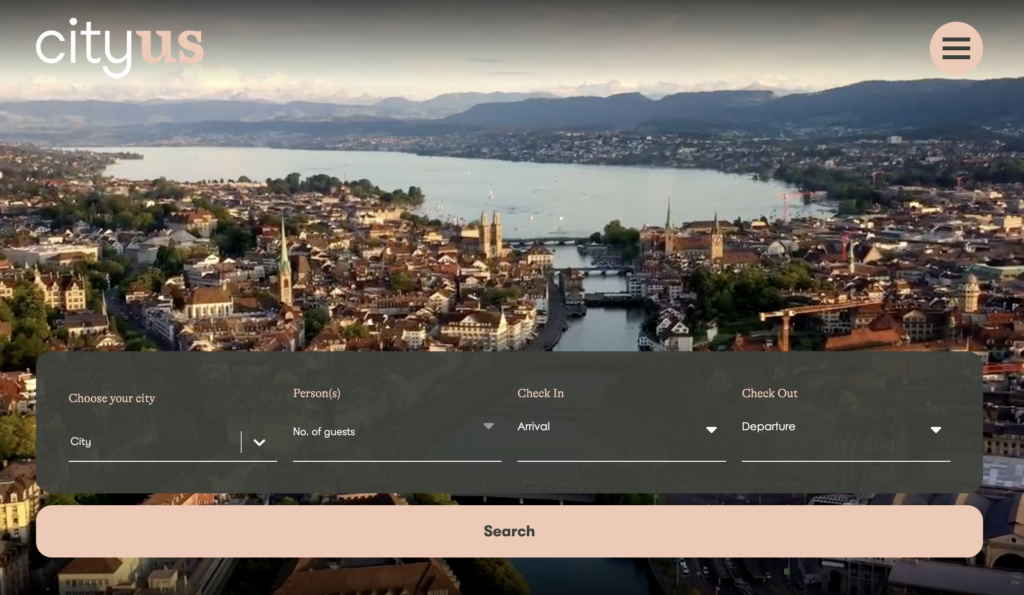
Your website is no longer the starting point, it’s the final step. By the time users arrive, the search is already done. Options have been filtered, compared, and recommended. They’re not browsing, but they’re confirming. They’re checking the details, the feel, the experience, and then they book. Which means the focus shifts to seamless navigation, clear information, and a fast, intuitive booking journey. Because the decision is already made. When an AI says, “Based on hundreds of reviews, Cityus is the best fit,” the user is already convinced; your website just needs to deliver that final moment of confidence.

How Cityus is adapting to this shift
In 2026, if AI can’t find you, you simply don’t exist. At Cityus, we’ve been building with this shift in mind from the start, creating a digital presence that AI can easily understand, verify, and trust.
From how we present our services to how we structure our content, every touchpoint is designed to speak both to people searching and to the systems guiding them.
And once AI has done its job and brought someone to us, our focus is simple: deliver a seamless, reassuring experience that makes the decision feel easy.
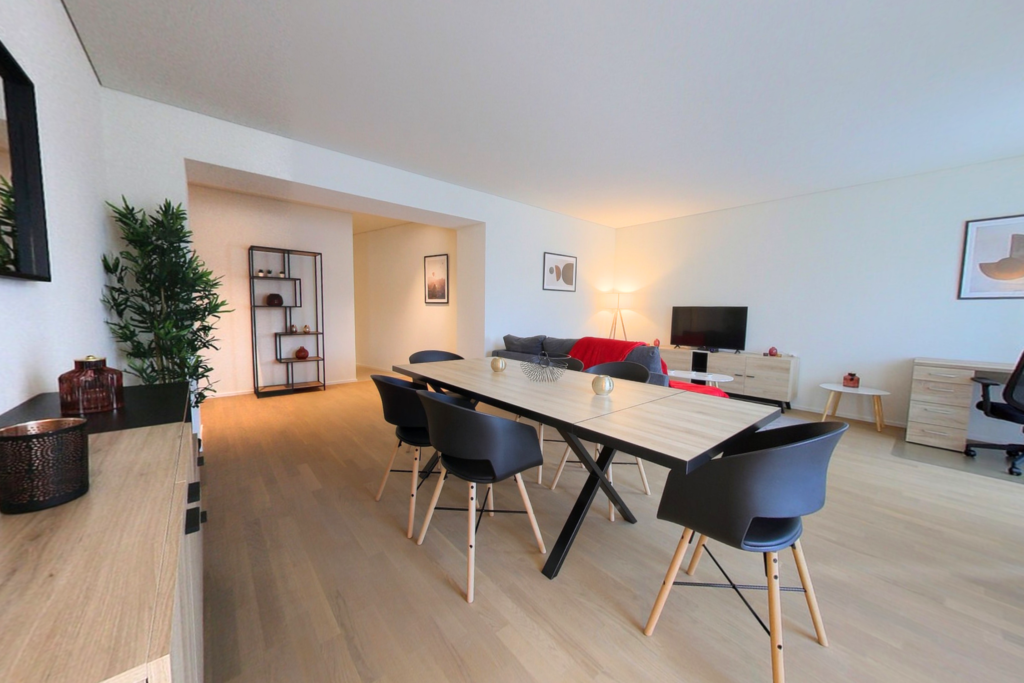
Our approach is grounded in how people actually search and choose, using natural terms like furnished apartments, flats, or temporary housing, structuring content around real questions rather than just keywords, and being clear from the outset on location, amenities, and budget. At the same time, our apartments are designed to support both living and working from day one, with a booking process that stays simple, transparent, and efficient.
As we continue to grow across Switzerland and Europe, we’re meeting potential clients exactly where they are—mid-conversation with an AI assistant that already understands what they’re looking for.
Looking ahead…
If you’re planning a stay, explore Cityus and see how we’re shaping the future of hospitality, with furnished apartments designed for business stays and flexible options that adapt to relocation needs.
From search to stay, everything is designed to be simple, clear, and seamless. Contact our booking team for more information.